
This post may contain affiliate links, which means we may receive a commission at no cost to you if you make a purchase through a link.
Finding the best shade plants can make a huge difference in how your garden looks and feels, especially if your yard gets limited direct sunlight. The right shade-loving options can bring color, texture, and season-long interest to beds, borders, containers, and woodland-style landscapes. Whether you want flowering plants, leafy fillers, or easy ground cover, there are plenty of great choices for shaded spaces.
When selecting from the products below, pay attention to the plant type, whether it’s live or seed-based, and how much shade it is meant to handle. It also helps to consider your growing goals. Reviews, ratings, and plant format all matter too, since some gardeners prefer ready-to-plant live specimens while others want budget-friendly seed mixes.
Let’s get started!
Our Top Picks at a Glance
| Product | Best For | Buy Now |
|---|---|---|
| Complete Shade Perennial Flower Bulb Garden | Continuous summer-to-fall blooms | Buy |
| Proven Winners Double Play Doozie Spirea Shrub | Landscape shrub with broad appeal | Buy |
| Blue Angel Giant Hosta Plant | Large foliage for classic shade gardens | Buy |
Best Shade Plants
1. Best Overall: Complete Shade Perennial Flower Bulb Garden
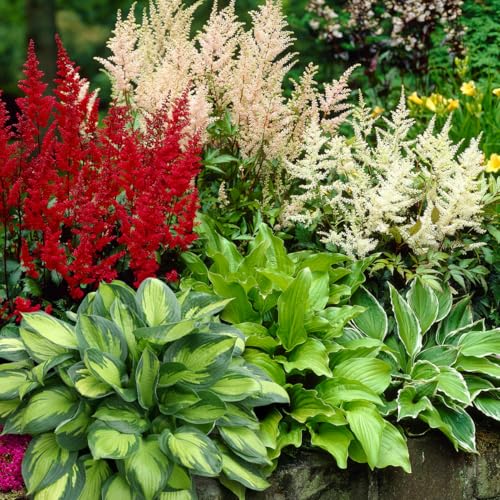
- COMPLETE SHADE PERENNIAL GARDEN: This complete shade perennial garden includes 30 total flower bulbs selected for reliable growth in low light conditions. The mix provides long lasting foliage interest and seasonal blooms for shaded garden spaces.
- TWO SHADE LOVING VARIETIES INCLUDED: This collection includes Mixed Hosta (15 bulbs) and Mixed Astilbe (15 bulbs). Together, these perennials offer contrasting leaf shapes, textures, and flower forms that create visual depth in shade gardens.
- Fill your garden with an immense burst of Summer color this year from July through Early October! Are you new to bulb gardening looking to just get your hands dirty? This is the collection for you.
This 30-bulb perennial flower bulb garden is designed for complete shade conditions and offers a long bloom window. The product description highlights 50 days of continuous blooms with summer color from July through October, making it a strong choice for gardeners who want extended seasonal interest.
Because it includes a bulb collection rather than a single plant, this option works well for gardeners who want variety in one purchase. It is also labeled as easy to grow, which may appeal to those planting shade beds or borders for the first time and looking for a manageable project.
With a high rating and a focus on shade tolerance, this is one of the strongest all-around picks for adding reliable color to low-light spaces.
Pros
- Designed for complete shade
- Long bloom period
- 30 bulbs included
- Easy to grow
Cons
- Bulb garden may not suit buyers wanting a single established plant
- Best results depend on proper planting and care
2. Best Value: Seed Needs Partial Shade Wildflower Seed Mix
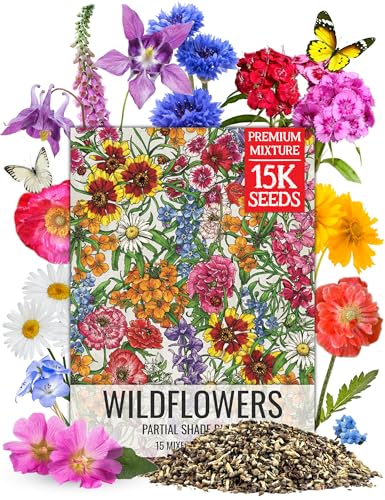
- Flower Seeds: Premium bulk package of wildflower seeds to establish a colorful garden filled with red flowers, orange flowers, yellow flowers, blue flowers, pink flowers, purple flowers and more!
- Annual Flower Seeds: Includes varieties like cornflower, clarkia, coreopsis plains, forget me not, rocket larkspur, baby’s breath, rose mallow, baby blue eyes and Shirley poppy.
- Perennial Flower Seeds: Includes varieties like Columbine, wallflower, daisies, lance leaved coreopsis & sweet William.
This partial shade wildflower seed mix includes more than 14 open-pollinated annual and perennial species in a 1-ounce package. It is a practical choice for gardeners who want broad plant variety without committing to multiple separate seed purchases.
The product is positioned for shade-tolerant flower planting, which may make it useful for naturalized areas, borders, or relaxed garden spaces that need a mix of blooms. Since it is a seed mix, it offers flexibility for gardeners who enjoy starting from seed and watching the space develop over time.
With a solid 4.3 rating and a budget-friendly price, it is a good option for anyone seeking a versatile shade planting project.
Pros
- Includes 14+ varieties
- Suitable for partial shade
- Open-pollinated annual and perennial mix
- Affordable price point
Cons
- Seed mixes can be less predictable than live plants
- Not ideal for those wanting instant maturity
3. Best For Landscaping: Proven Winners Double Play Doozie Spirea Shrub

- Thrives in USDA zones 3-8
- Grows to mature size 24-36″ W x 24-36″ H
- Full sun to partial shade

This Proven Winners spirea shrub is a live landscape plant that can add structure to a shade-friendly garden design. The product is sold in a 2-gallon size, which makes it a more established option than seeds or smaller starter plants.
Spirea is often chosen for general garden shaping, and this listing is a solid fit for gardeners looking for a dependable shrub with a polished nursery presentation. The high rating also suggests strong buyer satisfaction.
If you want a plant that can help anchor beds or soften borders, this shrub is a practical and versatile choice.
Pros
- Live 2-gallon shrub
- Well-known Proven Winners brand
- Useful for landscaping projects
- Strong customer rating
Cons
- Higher price than seeds
- Not a flowering shade specialist in the way some shade perennials are
4. Best Shade Perennial: Live Heuchera Coral Bells
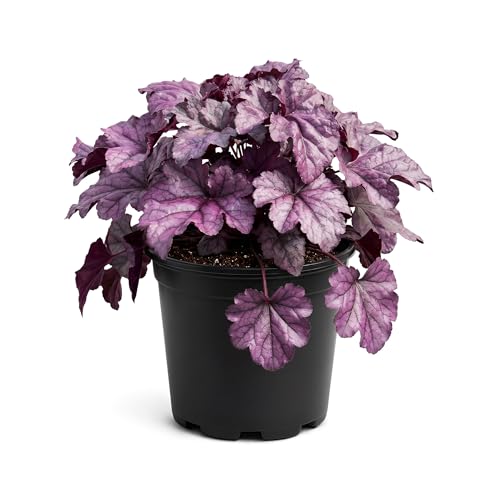
- SPRING COLOR: Beautiful purple coral bells with deep purple and maroon foliage that is sure to add depth and elegance to your Spring garden!
- GROWTH: Purple heuchera grows to be about 18-24 inches tall, with a spread of about 12-18 inches, forming a compact mound of colorful foliage.
- CARE: Purple coral bells prefer a location with partial shade to full shade. Plant in well-draining soil enriched with organic matter and water regularly to keep the soil evenly moist. Avoid overwatering, as excess moisture may lead to root rot.
This live Heuchera, also known as Coral Bells, is described as a beautiful shade perennial with purple tones. It arrives in a 2-quart pot and is listed as a spring plant that grows to about 10 inches tall and 6 inches wide.
Heuchera is often appreciated for adding color and texture to shaded spaces, and the compact size makes it suitable for beds, edging, or containers. Since it is a live plant, it can provide a faster decorative effect than starting from seed.
If you want a smaller shade perennial with ornamental appeal, this is a strong pick to consider.
Pros
- Live perennial plant
- Attractive purple coloring
- Compact size for versatile placement
- Good for shade gardens
Cons
- Smaller size than larger landscape plants
- Rating is solid but not among the highest in the list
5. Best For Spring Color: KVITER Forget Me Not Seeds
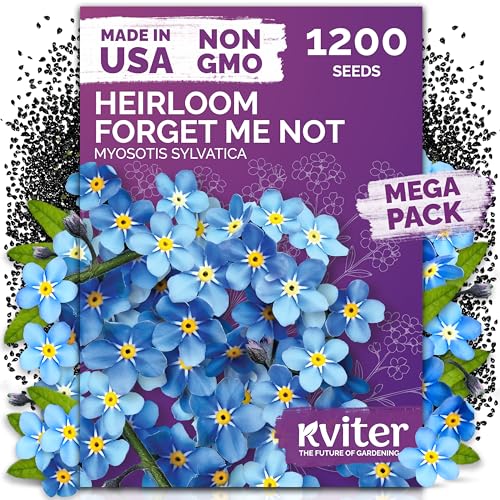
- No Stratification Needed: Forget me not seeds for planting germinate in 10–21 days at 65–72°F; direct sow heirloom seeds just below the surface and keep soil consistently moist for reliable sprouting.
- True Blue Blooms: Forget me not flowers garden seeds bring classic blue perennial flowers from late spring to early summer; these wildflower seeds are hardy in USDA zones 1–12. Flower Seeds to Plant Outside - thrive in part sun to shade for garden borders.
- Compact Border Plant: Forget me nots grow upright and clumping to 16 inches blue flowers; thin or transplant to 6–12 inch spacing for low ground cover and mass plantings in beds.
This 1200-seed package of Myosotis sylvatica is aimed at shady gardens and features charming blue spring flowers. It is also described as useful for ground cover, borders, and containers, giving it flexible placement options.
For gardeners who want a seed-based project with classic spring bloom appeal, this product offers a generous quantity at a low price. The ground-cover use makes it especially appealing in areas where you want a softer, more natural look.
Because it is a seed pack, it is best for patient gardeners who are comfortable starting from scratch.
Pros
- Large seed count
- Suited to shady gardens
- Useful for borders and containers
- Very affordable
Cons
- Requires growing from seed
- Lower rating than some competing products
6. Best For Big Foliage: Blue Angel Giant Hosta Plant
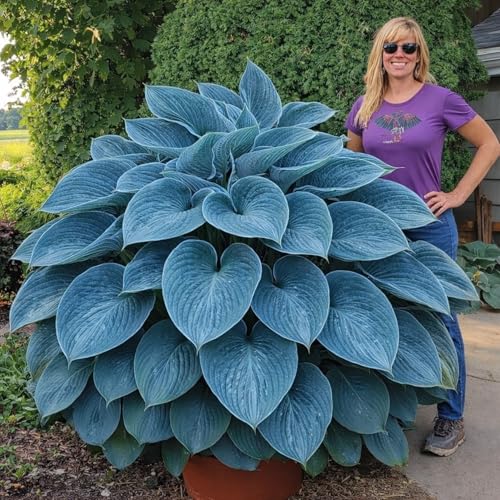
- Giant Hosta with blue leaves with amazing coloring really garner praise and attention. Blue Angel can grow 4-5 feet tall and 5 feet wide. Its huge!
- Turn heads with this fast grower. Stunning color, grows great in container or garden setting. Comes back in zones 3-9
- Hostas prefer partial shade over direct sun. Plant after the threat of frost or start indoors. Water as needed and keep weeds and grasses from choking the hostas.
This Blue Angel hosta is advertised as a perennial shade plant with large blue-green foliage. Hostas are a common choice for shaded garden borders, and this one is positioned as an easy-to-grow outdoor landscaping plant.
The large leaf size makes it useful for adding visual impact in spaces where flowers may be limited. For gardeners who want dependable shade foliage, this is a classic option with broad garden appeal.
Its rating is moderate, but the plant type and size-oriented description make it a practical pick for creating a fuller shade garden look.
Pros
- Large foliage
- Classic shade plant
- Easy-to-grow description
- Good for borders and landscaping
Cons
- Rating is not as strong as the top picks
- Foliage-focused rather than flowering-focused
7. Best For Pollinators: Perfect Plants Nanho Butterfly Shrub
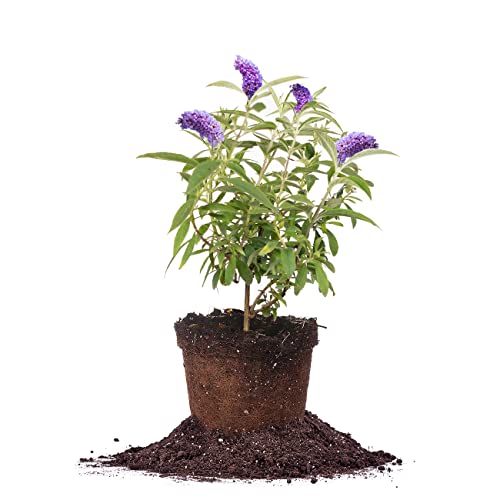
- ENHANCE YOUR GARDEN — Increase Property Value & Add Visual Interest in Your Garden
- BUSHES ARE HARDY IN ZONE 5-9 — Loves the Warm Heat of the Southern United States
- DROUGHT TOLERANT — Once Established this Perennial Plant is Heat & Drought Tolerant
This live 1-gallon butterfly shrub is described as attracting butterflies, bees, and hummingbirds, with purple flowers in spring. It is a useful option for gardeners who want a flowering shrub that may help support pollinator activity.
The plant is sold as a live bush for outdoor planting, so it is suited to more immediate garden use than seed products. Its size and color description make it a good candidate for mixed ornamental beds and wildlife-friendly spaces.
If pollinator appeal matters to you, this shrub deserves a close look.
Pros
- Live shrub in 1-gallon size
- Designed to attract pollinators
- Purple spring flowers
- Outdoor planting ready
Cons
- Not a dedicated shade perennial in the title
- Moderate rating compared with top performers
8. Best Bare Root Bundle: 9-Pack Hosta Bare Root Perennial Plants

This 9-pack of bare root hosta perennials is designed for gardeners who want to plant multiple shade-tolerant plants at once. The listing emphasizes that the plants are fresh from the farm and intended to grow year after year.
Bare root packs can be a good value for filling larger areas, especially if you already know hostas fit your garden style. This bundle is practical for borders, mass planting, or creating repeating texture across a shaded space.
With a 4.3 rating, it stands out as a straightforward and useful perennial pack.
Pros
- 9 plants included
- Perennial hostas
- Useful for larger plantings
- Good customer rating
Cons
- Bare root format may require more planting preparation
- Not individually varied like a mixed collection
9. Best Seed Mix: Shade Tolerant Mix Wildflower Seeds
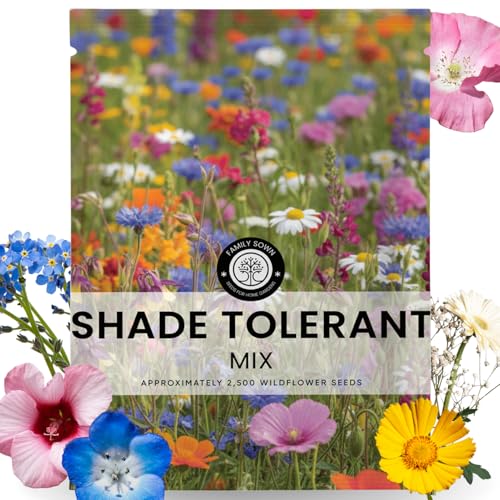
- 2,500 QUALITY SEEDS: Loaded with 2,500 fresh, wildflower seeds specially selected to thrive in areas with limited sunlight.
- SHADE-LOVING WILDFLOWER BLEND: A curated mix of hardy, shade-tolerant varieties that brighten dim corners with soft, natural blooms. Ideal for woodland borders, tree lines, and filtered-sun gardens.
- PACKED FOR THE 2026 SEASON: Freshly processed and packaged for the 2026 Season to ensure strong germination and vibrant blooms.
This 2,500-seed wildflower mix is intended for pollinator gardens in shaded conditions. The package size is generous for gardeners who want to create a broader planting area without buying multiple seed packets.
The listing’s focus on shade tolerance and pollinator use makes it a natural fit for informal garden areas or spots where you want a lower-cost way to establish color. It is also positioned for the 2026 season, which may appeal to gardeners planning ahead.
It is a practical choice for those who enjoy seed-starting and want volume.
Pros
- Large seed count
- Shade tolerant mix
- Good for pollinator gardens
- Low cost
Cons
- Seed results can vary
- Less immediate than live plants
10. Best Classic Choice: Mixed Hosta Perennials

- 6 Fresh, Healthy Bare Root Starts
- 100% Grow Guarantee
- Blooms Summer Through Fall
This 6-pack of bare root hosta perennials is another classic shade garden option. Hostas are often chosen for their dependable performance in low-light areas, and this pack is positioned as a hardy shade plant selection.
The bundle is suitable for gardeners who want enough plants to create a cohesive look without committing to a larger landscape-scale set. The price is reasonable, and the format is familiar for perennial shade gardeners.
While the rating is slightly lower than some others, the hosta category itself remains a trusted shade-garden staple.
Pros
- Classic shade perennial
- 6 bare root plants included
- Hardy garden choice
- Affordable starter pack
Cons
- Lower rating than some competitors
- Less variety than mixed plant collections
11. Best For Collectors: Bleeding Heart Plant Live 4-Pack
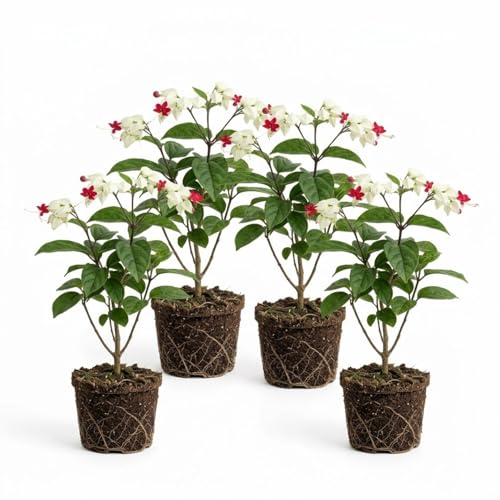
- Suitable for planting in outdoor gardens or shaded areas
- Bleeding Heart plants are known for their heart-shaped blooms, adding seasonal color and interest to garden spaces
- Grows in partial shade to full shade, making it suitable for shaded garden beds
This 4-pack of live Bleeding Heart plants is described as a shade-loving perennial flower option for garden beds, borders, or landscape use. The listing identifies white and red coloring, which may interest gardeners looking for ornamental variety.
As a live plant package, it offers a quicker start than seeds and a more curated look than a general wildflower mix. The bundle size works well if you want several plants for a specific spot or themed garden area.
Because no rating is shown, buyers may want to review the listing details carefully before purchasing.
Pros
- Live perennial plants
- 4-pack value
- Suitable for beds and borders
- Shade-loving description
Cons
- No rating provided
- More niche than general-purpose shade plants
12. Best Shade Annual: Live Begonia Dark Leaf Assorted
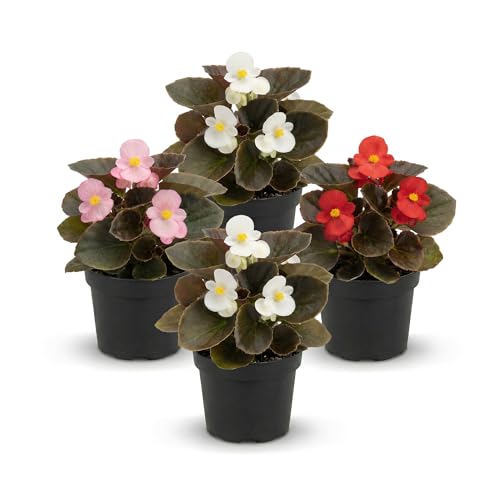
- COLORFUL MIX: A vibrant blend of red, pink, and white blooms paired with striking dark foliage.
- GROWTH: Forms tidy mounds around 8–12 inches tall and wide.
- CARE: Grows best in partial shade to full shade with well-drained, evenly moist soil.
This 4-pack of live begonias is described as a beautiful shade annual with dark leaves. Each plant ships in a 1-pint pot and is listed at about 8 inches tall by 4 inches wide.
Begonias can be a strong choice when you want shade-friendly color and a ready-to-plant container size. The dark leaf assortment adds visual interest, and the live format is convenient for quicker garden impact.
Since no rating is shown, this option may suit buyers who already know they want begonias specifically.
Pros
- Live annual plants
- Dark leaf assortment
- Convenient 4-pack
- Ready for outdoor planting
Cons
- No rating provided
- Annual rather than perennial
13. Best Budget Seed Option: Mixed Color Hosta Seeds
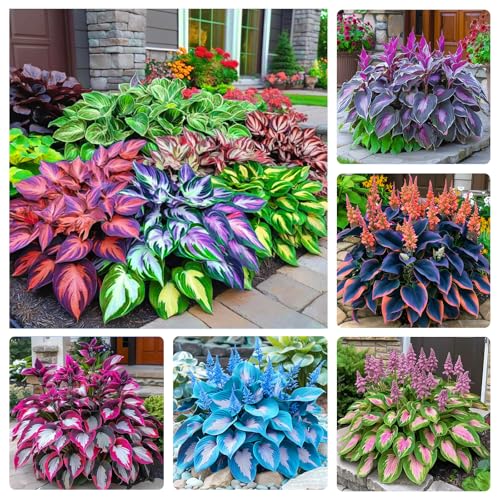
- Shade Tolerance & Planting Zones:Hostas are classic shade-loving perennials, thriving in partial to full shade. Suitable for USDA Zones 3-9, they avoid direct sunlight in summer, solving greening challenges in shaded courtyards and under trees.
- Low Maintenance & Growth Advantages:Established plants are cold and drought tolerant, adaptable to various soils . No frequent watering or fertilizing is needed; new shoots emerge in spring, leaves expand in summer, and they naturally go dormant in fall—effortless year-round care.
- Versatile Application Scenarios:Use as ground cover in courtyards to cover bare soil, or plant in pots for balconies, windowsills, and patios. Pair with other shade-loving plants like ferns and heucheras to create layered shaded landscapes.
This seed pack offers more than 330 mixed color hosta seeds and is aimed at shade-tolerant perennial growing. The listing also mentions possible use for ground cover and pots, which broadens its possible applications.
At a low price point, it may appeal to gardeners looking for a budget-friendly shade project. However, the rating is notably lower than many of the other items on the list, so buyers may want to weigh cost against expectations carefully.
This is best suited for patient gardeners who want to experiment with hostas from seed.
Pros
- Very low price
- Large seed count
- Shade-tolerant perennial focus
- Can be used in pots or ground cover
Cons
- Low rating
- Seed-grown hostas require patience
14. Best Rare Flower Pick: CarpetC Bleeding Heart Seeds
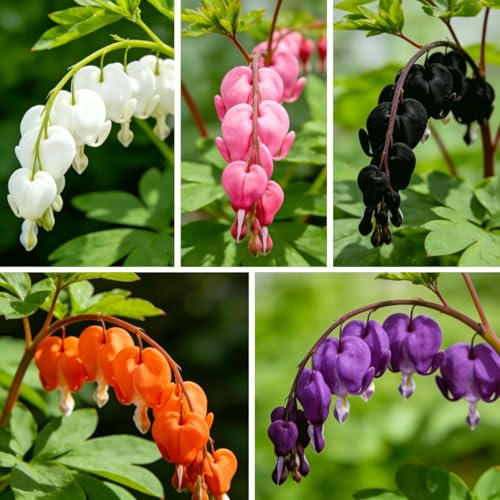
- [Heart-Shaped Blooms] Produces iconic heart-shaped flowers dangling from arching stems in late spring. Each bloom features contrasting inner petals. Excellent for cut flower arrangements.
- [Shade-Loving Perennial] Thrives in partial to full shade—perfect for woodland gardens and shaded borders. Prefers morning sun with afternoon shade. Hardy in zones 3-9.
- [Attracts Pollinators] Flowers attract bees and hummingbirds throughout the blooming season. A valuable addition to pollinator-friendly shade gardens.
This packet includes 100+ Bleeding Heart seeds and is described as a shade-loving perennial with heart-shaped rare flowers. It is positioned for home gardens and borders, making it a decorative choice for gardeners who prefer a softer, romantic look.
The listing’s top rating suggests strong interest from buyers, and the seed format keeps the price accessible. It may appeal especially to gardeners who enjoy growing more distinctive flowers from seed.
If you want a specialty flowering shade plant and are comfortable starting from seed, this is a compelling option.
Pros
- High rating
- Shade-loving perennial
- Distinctive flower shape
- Affordable seed pack
Cons
- Seed-growing takes time
- Smaller quantity than some other seed packs
15. Best Shade Fern: American Plant Exchange Live Autumn Fern

- Autumn Fern Plant Pot: Autumn Fern is a beautiful plant featuring coppery-red and green triangular bi-pinnate fronds. Also known as the Japanese Shield Fern, the plant’s fronds arch from the center of the clump to form a graceful vase shape at maturity
- Indoor Plants: While the fronds turn solid green as summer progresses, a steady sprouting of new fronds renders the plants a visual tapestry of dark green interwoven with pink to bronze tones. The USDA hardiness zone for outdoor planting is 5–9
- Easy Maintenance: Autumn Fern plants are easy to care for; they prefer partial or full shade and moist, slightly acidic soil, with the ideal temperature being 60–85° F. A heat pack is included with each plant if your region experiences cold weather
This live Autumn Fern comes in a 6-inch pot and is described as a hardy shade-loving fern with copper-toned new growth. It is suitable for outdoor gardens, patios, containers, and woodland landscapes.
Ferns are often a dependable way to bring texture and softness to shady spaces, and this plant’s compact pot size makes it easy to place in a range of settings. Its easy-care description adds to its appeal for gardeners who want a lower-maintenance option.
For a classic shade texture plant, this fern is a smart finishing touch.
Pros
- Hardy shade-loving fern
- Live plant in a 6-inch pot
- Works in containers and landscapes
- Copper-toned new growth
Cons
- Smaller than larger landscape specimens
- Not a flowering plant
Buying Guide
Light Requirements
The first thing to check is whether the plant is meant for full shade or partial shade. Some plants perform best with only a little direct sun, while others can handle much darker areas. Matching the plant to your available light will improve your chances of success.
Plant Type
Decide whether you want seeds, bare roots, bulbs, or live potted plants. Seeds are usually more affordable and flexible, while live plants provide faster results. Bare root and bulb options can be a good middle ground for gardeners who want multiple plants at once.
Growth Habit
Think about how the plant will fit into your garden. Some options are ground cover, some are border plants, and others are shrubs or texture plants. Choosing the right growth habit makes it easier to build a balanced and attractive shade space.
Bloom or Foliage Interest
Some shade plants are chosen for flowers, while others are appreciated more for foliage. If you want long-lasting visual impact, leafy plants like hostas and ferns may be ideal. If you prefer seasonal color, flowering options such as begonias, bleeding hearts, or wildflower mixes may be a better fit.
Quantity and Coverage
Check how many bulbs, plants, or seeds are included. A larger pack can be better for filling space, while a smaller plant or pot may be enough for an accent area. Coverage matters most if you are planting borders or larger shade sections.
Ease of Growing
If you are new to gardening, look for listings described as easy to grow or suitable for outdoor planting. Live plants can be simpler to establish quickly, while seeds may require more patience and attention. Choose a product that matches your comfort level.
Frequently Asked Questions
What are the best shade plants for beginners?
Beginner-friendly choices often include plant types that are described as easy to grow, such as hostas, ferns, and some live perennials. Seed mixes can also work well if you want a simple starting point, but live plants usually offer quicker results.
Should I buy seeds or live shade plants?
Seeds are usually better if you want lower cost and more plants for the money. Live plants are better if you want a faster, more immediate look in your garden. The right choice depends on your budget and how quickly you want results.
Can shade plants grow in containers?
Yes, several of the products listed can work in containers, especially smaller live plants and some shade-friendly flowers. Always check the product description and make sure the plant size is suitable for the container you plan to use.
What is the difference between partial shade and complete shade?
Partial shade generally means the spot receives some direct sun, while complete shade gets very little or no direct sun. Plants labeled for complete shade are usually more tolerant of low light, but they still need the right growing conditions to thrive.
Which shade plants are best for low-maintenance gardens?
Hostas, ferns, and some live perennial options are often popular in low-maintenance shade gardens. If you want less upkeep, choose plants that are described as hardy, easy to grow, or well suited to your specific light conditions.
Conclusion
The best shade plants can transform dim garden spaces into attractive, lively areas with color, structure, and texture. From shade-tolerant wildflower mixes to classic hostas, ferns, bulbs, and flowering live plants, there are strong options for nearly every style and budget.
If you want the most balanced all-around pick, the Complete Shade Perennial Flower Bulb Garden stands out for its bloom period and shade focus. If you prefer value and variety, the Seed Needs Partial Shade Wildflower Seed Mix is a smart budget-friendly option. For classic foliage appeal, the Blue Angel Giant Hosta Plant and Autumn Fern are both reliable choices for a shade garden.
Whichever product you choose, matching the plant to your light conditions and gardening goals is the key to success.